
Selective Demolition in Perry County: Costs, Planning, and What to Expect
A renovation often starts with deciding what to keep and what needs to go. Perhaps your kitchen needs new cabinets, the bathroom needs stripping out, or an office layout no longer works. Selective demolition in Perry County, PA means removing agreed parts of a property while protecting the areas that will remain.
Cost depends on materials, access, protection needs, and debris disposal. Understanding these details before work starts helps you compare quotes and plan the next stage of your renovation. Have a project in mind? Call All Safe Construction Inc. at (717)608-1739 to discuss your plans, confirm service availability, and request an evaluation.
What Is Selective Demolition?
Selective demolition removes specific building elements rather than taking down an entire structure. The work follows your renovation plan, with clear boundaries around what goes and what stays. In a home, this might involve removing kitchen cabinets, bathroom fixtures, flooring, or selected wall and ceiling finishes. In a shop or office, it could mean taking out counters or partitions to create a different layout.
Before removal begins, the contractor needs to understand the proposed changes and check what could be affected. That includes nearby finishes, structural supports, wiring, and plumbing. All Safe provides selective interior demolition services for residential and commercial renovation projects. The approach depends on the agreed removals and the property’s conditions.
How Much Does Selective Demolition Cost in Perry County?
There is no single price for every project. Removing cabinets from an accessible kitchen involves different work from stripping out several rooms or carrying heavy debris down stairs. Your quote will usually reflect these factors
| Cost factor | What can affect the price |
| What needs removing | The amount, type, and condition of the materials |
| Access to the work area | Stairs, narrow doorways, parking, and space for loading debris |
| Protecting your property | Covering nearby surfaces and separating the work area from rooms still in use |
| Material checks | Any inspections or testing needed before removal begins |
| Utilities and approvals | Disconnecting services and arranging any necessary permits or specialist help |
| Debris removal | The amount of waste to collect, haul away, and dispose of |
Photos and renovation drawings can help explain what you need. A site visit may still be necessary to check conditions and confirm the scope.
Ask for a written quote that explains the work rather than relying on a general price based only on room size.
What Should Your Demolition Quote Include?
A clear quote makes it easier to understand what you are paying for and compare proposals fairly. Check that it covers:
- The rooms, fixtures, and materials included in removal.
- Features that must remain or be saved for reuse.
- Labor, equipment, hauling, and disposal.
- Protection for nearby floors, walls, and fixtures.
- Responsibility for permits and utility disconnections.
- Whether material assessments or hazardous-material removal are included.
- Expected working hours and scheduling.
- The agreed cleanup standard.
- Exclusions, such as patching, painting, and reconstruction.
Ask what happens if the crew finds something unexpected. Agree on how additional work will be explained, priced, and approved before it proceeds.
Do You Need a Permit for Selective Demolition?
Before scheduling work, check with the building code official for the township or borough where your property is located. Describe the proposed removals, including any changes to walls or building systems.
Pennsylvania has permit requirements for demolition and alterations. The required approval depends on the work and applicable requirements. Do not assume that removing cabinets follows the same process as removing part of a structure. Confirm who will arrange any required permits, pay the fees, and coordinate inspections. Sorting this out early can help prevent scheduling problems later.
Check for Asbestos and Lead Before Removal
Before cutting, breaking, or pulling out existing materials, discuss any known concerns with your contractor. Share previous inspection reports and explain whether earlier renovations uncovered suspect materials.
Asbestos-Containing Materials
Asbestos cannot be reliably identified by appearance alone. If a material is suspected of containing asbestos, avoid disturbing it and arrange professional advice about assessment or testing.
Inspection, notification, removal, and disposal requirements depend on the building and proposed work. Federal rules distinguish between regulated demolition and renovation, and state requirements may also apply.
If removal is needed, AllSafe’s asbestos removal services may form a separate part of the project scope.
For more information about cost factors and the work involved, read our guide to asbestos remediation in Harrisburg. The article covers Harrisburg, while your Perry County quote will depend on your own property and removal needs.
Lead-Based Paint
If the project involves a home or child-occupied facility built before 1978, ask whether EPA’s Renovation, Repair and Painting Rule applies. Covered work disturbing painted surfaces requires appropriate firm certification and lead-safe work practices.
Raise this during planning, before removing painted walls, trim, or other components. Confirm who will assess the requirements and carry out any covered work.
How to Prepare Your Property
A few practical steps before the crew arrives can make the work easier to organize.
Walk Through the Removal Areas
Go through the space with your contractor. Confirm what needs removing and point out the features you want to keep. If you want cabinets, doors, or fixtures saved for reuse, say so before finalizing the quote. Carefully removing an item for reuse can take more time than removing it for disposal. Move furniture, personal belongings, and valuables out of the work area before the agreed start date.
Review Structural Supports and Utilities
A wall should not be assumed to be non-load-bearing because of its appearance. If removal could affect structural support, arrange a review by an appropriately qualified design professional before work begins. Confirm who will handle necessary electrical, gas, water, and plumbing disconnections. Leave these tasks to the appropriate professionals.
Agree on Access and Working Hours
Discuss parking, entrances, debris-loading space, and the route for carrying materials outside. Mention any shared access or restrictions. Tell the contractor if nearby rooms will remain in use. Agree on working hours and explain anything that could affect access, such as business opening times or deliveries.
Can You Stay in the Property During Demolition?
This depends on the work involved, the hazards present, and whether the removal area can be properly separated from occupied spaces. Discuss noise, dust control, restricted access, and any temporary loss of utilities before work starts. Some projects may require you to leave affected rooms or temporarily relocate.
Keep children and pets away from the work area. In commercial properties, employees and visitors need clear routes around restricted spaces. After reviewing the property, your contractor should explain the proposed arrangements. Do not assume normal use can continue throughout the job.
The Selective Demolition Process: From Site Review to Cleanup
The process begins with a site review. Your contractor inspects the space, reviews your plans, and confirms the proposed removals. At this stage, review drawings, existing reports, access restrictions, and retained features. Next comes preparation. The team plans the debris route, protects nearby finishes, and sets up the agreed dust-control measures. The team completes required assessments, secures approvals, and disconnects utilities before removal begins.
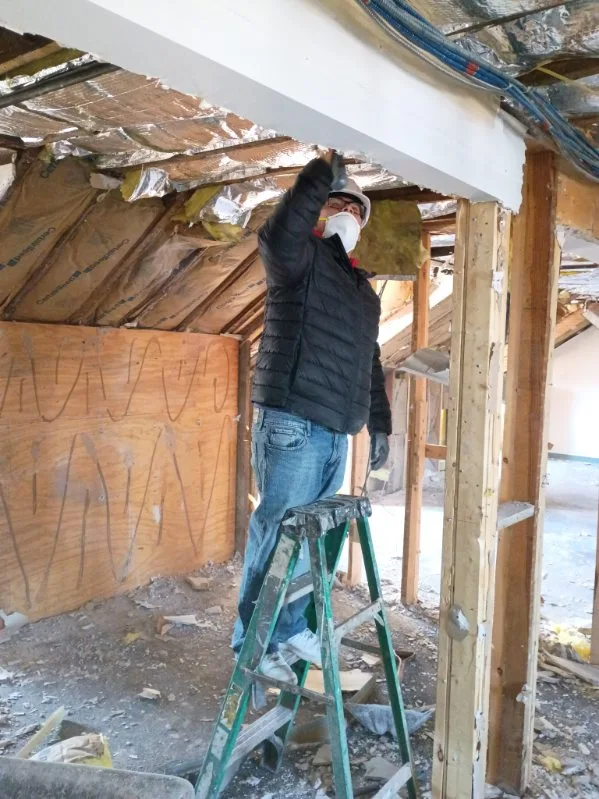
The crew then removes the agreed items while working around the parts of the property that will remain. If unexpected materials or damage are uncovered, affected work may need to pause while the next steps are agreed. The crew collects and removes debris through the planned route. After cleanup, a final walkthrough gives you and the contractor a chance to check the completed work against the written scope.
Choosing a Selective Demolition Contractor in Perry County
Ask whether the contractor has handled projects similar to yours. Experience with occupied properties or work around retained finishes may be especially relevant. Check current insurance information and request a written proposal. Ask who will supervise the job, who you can contact with questions, and how you’ll approve unexpected work.
Review examples of AllSafe’s project work and ask which projects most closely match your renovation. Compare the scope and price. One proposal may include protection, hauling, and cleanup that another leaves out.
Choose a contractor who explains the work clearly and gives you time to understand the proposal before agreeing to proceed.
Planning a Renovation in Perry County? Let’s Talk
Knowing what needs to come out helps you plan the renovation that follows. AllSafe Construction Inc. was established in 1986 and is based in Harrisburg. The company helps homeowners and businesses with selective interior demolition, asbestos removal, and mold remediation.
Share your Perry County property address, photos, and renovation plans with our team. Please tell us what you want removed, what needs to stay, and when you hope to begin. Call (717) 608-1739 or request a free evaluation and estimate to confirm service availability and discuss the next steps.