
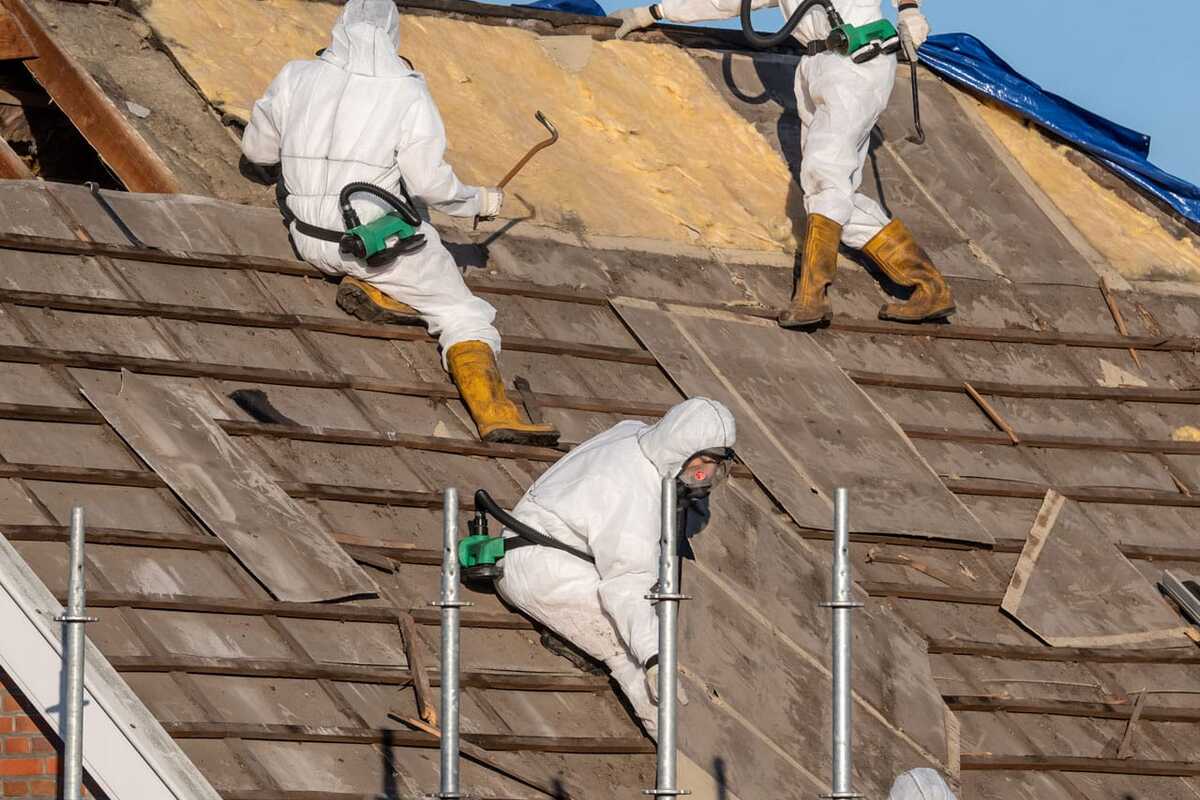
Asbestos is a naturally occurring mineral that was once hailed as a “miracle material” for its heat resistance, tensile strength, and insulating properties. From the 1940s through the 1980s, it was extensively used in construction materials across residential, commercial, and industrial properties. Today, we know that asbestos exposure poses serious health risks, and it’s essential for property owners to understand where asbestos might be found, how to recognize potential hazards, and what to do if they suspect its presence.
What Is Asbestos and Why Was It Used?
Asbestos refers to a group of six naturally occurring silicate minerals composed of thin, fibrous crystals. These fibers are resistant to heat, fire, electricity, and chemical corrosion, making them highly useful in building materials. Common applications included:
- Thermal insulation for pipes, boilers, and ducts
- Soundproofing and fireproofing materials
- Flooring (vinyl tiles, sheet flooring, adhesives)
- Ceiling materials (acoustic tiles, textured “popcorn” ceilings)
- Roofing (shingles, felt, flashing)
- Walls (drywall, joint compound, cement siding, plaster)
- Textured paints and coatings
Because of its versatility, asbestos was used in thousands of products. It’s estimated that most homes and buildings constructed before 1990 contain at least some asbestos-containing materials (ACMs).
The Health Risks of Asbestos Exposure
When asbestos-containing materials are disturbed—through cutting, sanding, drilling, breaking, or deterioration over time—they release microscopic fibers into the air. Once inhaled, these fibers can become lodged in the lungs and remain there for decades. Over time, they cause inflammation, scarring, and cellular damage that can lead to serious diseases, including:
- Mesothelioma: A rare and aggressive cancer that affects the lining of the lungs, chest cavity, or abdomen. It is almost exclusively caused by asbestos exposure.
- Lung Cancer: Asbestos exposure significantly increases the risk of lung cancer, especially in individuals who smoke.
- Asbestosis: A chronic lung disease caused by scarring of lung tissue, leading to progressive shortness of breath and respiratory failure.
- Pleural Plaques and Thickening: Non-cancerous but potentially debilitating conditions affecting the lining of the lungs.
These diseases typically have a long latency period, meaning symptoms may not appear for 20 to 50 years after exposure. This makes prevention and early detection critical.
Where Is Asbestos Found in Homes and Buildings?
Asbestos can be present in numerous areas of a property. While it’s nearly impossible to identify asbestos by sight alone, here are some common locations where ACMs were frequently used:
| Location | Materials That May Contain Asbestos |
|---|---|
| Attics and Basements | Pipe insulation, boiler insulation, duct wrapping, blown-in loose-fill insulation |
| Bathrooms and Kitchens | Vinyl floor tiles, sheet flooring, tile adhesives, wallboard, textured paint |
| Ceilings | Acoustic ceiling tiles, popcorn ceiling texture, spray-on coatings |
| Walls | Drywall, joint compound, plaster, cement board siding |
| Roofing | Asphalt shingles, roofing felt, flashing, sealants |
| Mechanical Rooms | Gaskets, packing materials, fire doors, fireproofing sprays |
| Outdoor Areas | Cement pipes, siding shingles, roofing materials, mastics |
When Is Asbestos Dangerous?
Asbestos-containing materials are generally considered safe when they are in good condition and left undisturbed. However, they become hazardous when:
- Damaged: Crumbling, cracking, or water-damaged materials can release fibers even without direct contact.
- Disturbed: Renovation, demolition, drilling, sanding, sawing, or other activities that break apart ACMs.
- Deteriorating: Age and wear can cause materials to become friable (easily crumbled), increasing the risk of fiber release.
- Vibrated or Abraded: Regular foot traffic, vibration from equipment, or friction can cause fibers to become airborne.
If you suspect a material contains asbestos, do not disturb it. Even one exposure event can release enough fibers to pose a health risk over time.
What to Do If You Suspect Asbestos
1. Stop and Assess
If you come across material you believe may contain asbestos, stop what you’re doing immediately. Do not cut, sand, drill, hammer, break, or disturb it in any way. Limit access to the area to prevent others from accidentally disturbing it.
2. Leave It Alone (If It’s in Good Condition)
If the material is intact, undamaged, and in a location where it won’t be disturbed, the safest course of action is often to leave it in place and monitor it periodically for signs of deterioration.
3. Contact a Professional for Testing
The only way to confirm whether a material contains asbestos is through laboratory analysis. A professional asbestos inspector or environmental consultant can collect samples safely and send them to an accredited lab for testing. Never collect samples yourself—you could release fibers into the air.
4. Hire a Licensed Asbestos Abatement Contractor
If testing confirms the presence of asbestos and the material needs to be removed—due to renovation, damage, or deterioration—hire a licensed and certified asbestos abatement contractor. ACI has been serving Harrisburg and Central Pennsylvania since 1986 with expert asbestos removal services. Our team follows strict protocols for containment, removal, and disposal to ensure safety and compliance with all local, state, and federal regulations.
Asbestos Regulations and Compliance
In Pennsylvania, asbestos abatement is regulated by the Pennsylvania Department of Environmental Protection (PA DEP) and the Pennsylvania Department of Labor and Industry. Federal regulations from the Occupational Safety and Health Administration (OSHA) and the Environmental Protection Agency (EPA) also apply.
Key requirements include:
- Licensing: Contractors must be licensed to perform asbestos abatement work.
- Notification: Certain projects require advance notification to regulatory agencies.
- Containment: Negative air pressure, HEPA filtration, and sealed containment areas are required to prevent fiber migration.
- Disposal: Asbestos waste must be wetted, double-bagged, and transported to approved disposal facilities with proper manifest documentation.
ACI handles all of these compliance requirements on behalf of our clients, so you can have peace of mind knowing the work is done safely and legally.
Common Myths About Asbestos
❌ Myth: “If I have asbestos, I need to remove it immediately.”
Reality: If the material is in good condition and won’t be disturbed, it may be safer to leave it in place and manage it through an operations and maintenance (O&M) program. Removal is recommended if the material is damaged, deteriorating, or will be impacted by renovation or demolition.
❌ Myth: “Asbestos is only found in old commercial buildings.”
Reality: Asbestos was widely used in residential construction as well. Many homes built before 1990 contain ACMs.
❌ Myth: “I can safely remove asbestos myself if I wear a mask.”
Reality: Standard dust masks and N95 respirators do not provide adequate protection against asbestos fibers. Professional abatement requires specialized equipment, training, and containment procedures to prevent exposure to workers and occupants.
❌ Myth: “Asbestos was banned years ago, so I don’t need to worry.”
Reality: While some uses of asbestos were restricted, it was never fully banned in the United States. Materials already installed remain in place, and new products can still contain asbestos in certain applications (though at much lower rates).
How ACI Can Help
At ACI, we understand that discovering asbestos on your property can be stressful. With over four decades of experience, we provide comprehensive asbestos services, including:
- Inspection and testing to identify asbestos-containing materials
- Risk assessment and recommendations for management or removal
- Full containment and abatement using industry-best practices
- Clear communication throughout the process
- Proper disposal documentation for your records
- Post-removal air monitoring to confirm a safe environment
We serve residential and commercial properties throughout Harrisburg, Central Pennsylvania, and now Virginia and Maryland. Our team is available 24/7 for emergency response.
Final Thoughts
Asbestos awareness is the first step toward protecting your health, your family, your employees, and your property. Knowledge about where asbestos may be found and what actions to take—and what not to do—can make all the difference.
If you have concerns about asbestos in your property, don’t wait. Contact ACI today for a free evaluation and let our experienced team provide the guidance and services you need.
Need help with asbestos on your property? Request your free evaluation today or call us at (717) 608-1739.