
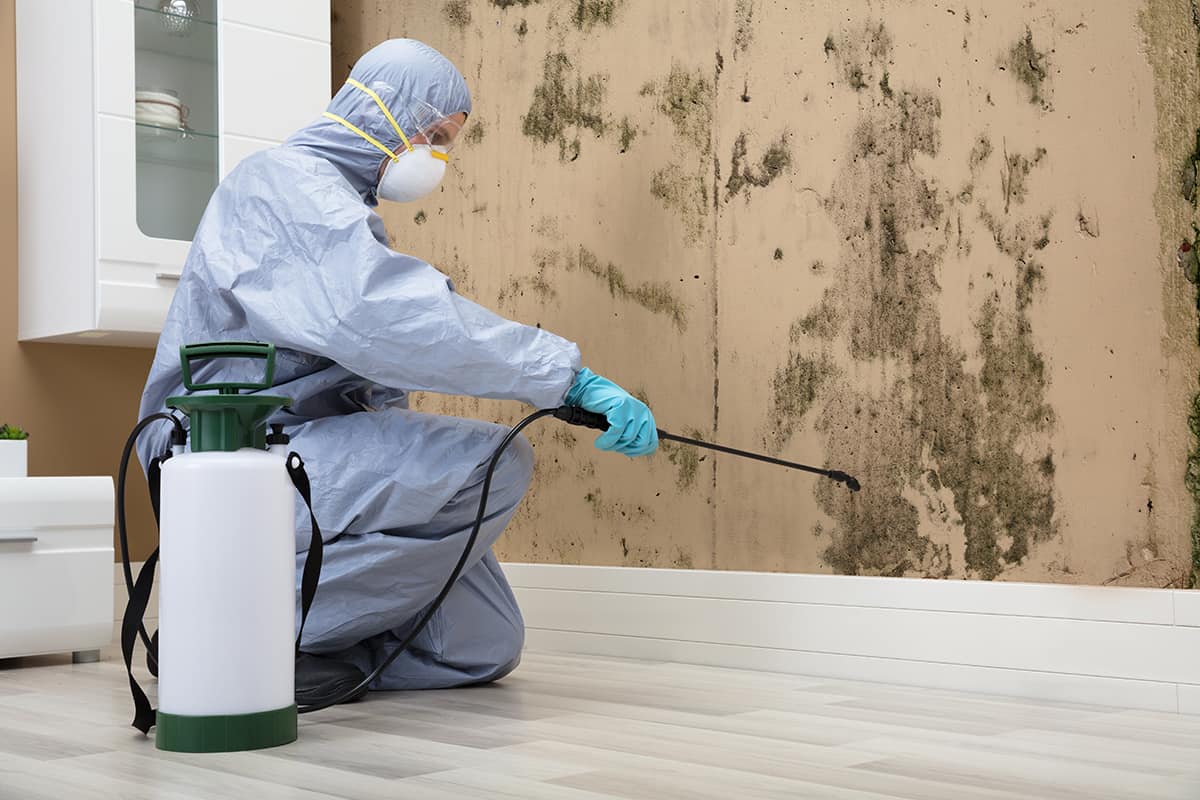
Mold is more than just an unsightly nuisance. It can cause significant damage to your property and pose health risks to occupants, including respiratory issues, allergies, asthma exacerbations, and other chronic conditions. The good news is that mold growth is largely preventable. By understanding what mold needs to thrive and taking proactive steps, you can protect your home or business from mold-related problems.
Understanding Mold: What It Needs to Grow
Mold is a type of fungus that reproduces through tiny spores that are virtually everywhere—indoors and outdoors. Under the right conditions, these spores can settle and grow into visible colonies. For mold to grow, it needs three things:
- Moisture: This is the most critical factor. Mold requires water or high humidity to grow. Leaks, condensation, flooding, and high indoor humidity all provide the moisture mold needs.
- Food Source: Mold feeds on organic materials such as wood, drywall, carpet, fabric, paper, and dust.
- Warmth: Mold grows best in temperatures between 60°F and 80°F (15°C and 27°C), which is typical for most indoor environments.
Since you can’t eliminate mold spores or control the temperature year-round, moisture control is the most effective strategy for prevention.
Practical Mold Prevention Tips for Homeowners
1. Control Indoor Humidity
Keep indoor humidity levels below 60%. Ideally, aim for 30% to 50%. Use a hygrometer to monitor humidity levels in your home.
- Use dehumidifiers in basements, crawl spaces, and other damp areas.
- Run air conditioning during humid months—it removes moisture from the air.
- Ventilate bathrooms, kitchens, and laundry rooms with exhaust fans.
- Make sure your clothes dryer is vented to the outside.
2. Fix Leaks Immediately
Water intrusion is one of the leading causes of mold growth. Promptly repair:
- Roof leaks
- Plumbing leaks (pipes, faucets, water heaters)
- Window and door seal failures
- Foundation cracks that allow water seepage
Even small, slow leaks can create enough moisture for mold to grow behind walls, under floors, or inside ceilings.
3. Dry Water-Damaged Areas Quickly
If your property experiences flooding, a burst pipe, or significant water spillage, act fast:
- Extract standing water within 24–48 hours.
- Use fans, dehumidifiers, and open windows to promote drying.
- Remove wet carpets, padding, and furnishings that cannot be thoroughly dried.
- Clean and dry affected materials thoroughly—mold can begin growing within 24 to 48 hours.
4. Improve Air Circulation
Stagnant air can trap moisture and encourage mold growth.
- Use ceiling fans and portable fans to keep air moving.
- Open doors between rooms to promote airflow.
- Avoid overpacking closets and storage areas; allow air to circulate.
5. Insulate Pipes and Cold Surfaces
Condensation forms on cold surfaces when warm, humid air comes into contact with them. This moisture can lead to mold growth.
- Insulate cold water pipes to prevent condensation.
- Add insulation to exterior walls and unheated areas.
- Use vapor barriers in crawl spaces and basements.
6. Clean and Maintain HVAC Systems
Heating, ventilation, and air conditioning systems can distribute mold spores if contaminated. Regular maintenance is essential.
- Change air filters regularly (every 1–3 months).
- Have your HVAC system inspected and cleaned annually.
- Keep drip pans clean and drain lines clear.
- Consider installing a UV light system to reduce microbial growth.
7. Use Mold-Resistant Products
When renovating or building, choose materials that resist mold growth:
- Mold-resistant drywall (green or purple board)
- Mold-resistant insulation
- Treated wood for framing
- Moisture-resistant paints and sealants
Mold Prevention for Business Owners
Commercial properties face unique challenges when it comes to mold prevention. A mold problem can disrupt operations, damage inventory, harm your reputation, and even lead to liability issues. Here are some additional considerations for business owners:
1. Regular Building Inspections
Schedule periodic inspections of your building, paying special attention to:
- Roofs and gutters
- Plumbing systems
- HVAC units
- Basements and crawl spaces
- Areas around water heaters and boilers
2. Document and Track Water Events
Keep a log of any water leaks, spills, or flooding incidents, including the date, location, and response taken. This documentation can be valuable for insurance claims and for identifying recurring issues.
3. Train Employees
Educate your staff about the signs of mold and water damage. Encourage them to report:
- Musty odors
- Visible moisture or condensation
- Water stains on ceilings, walls, or floors
- Peeling paint or wallpaper
4. Implement a Maintenance Schedule
Preventive maintenance is your best defense against mold. Establish a schedule for:
- Cleaning gutters and downspouts
- Checking and sealing roof penetrations
- Testing and servicing HVAC systems
- Inspecting plumbing for leaks
5. Maintain Proper Drainage
Ensure that landscaping and drainage systems direct water away from your building’s foundation. Poor drainage can lead to water infiltration through basement walls and floors.
How to Recognize Mold in Your Property
Mold is not always visible. It can grow behind walls, under floors, inside HVAC systems, and above ceiling tiles. Here are some signs that you may have a mold problem:
- Visible growth: Black, green, white, or gray patches on walls, ceilings, floors, or other surfaces.
- Musty or earthy odors: A persistent, unpleasant smell is often the first sign of hidden mold.
- Water damage: Stains, discoloration, or peeling surfaces may indicate past or ongoing water intrusion.
- Health symptoms: Occupants experiencing allergy-like symptoms—sneezing, coughing, watery eyes, headaches—that improve when they leave the building.
When to Call a Professional
While you can handle small, isolated mold patches (less than 10 square feet) with proper personal protective equipment, larger infestations or mold in HVAC systems should be handled by professionals. ACI’s mold remediation services include:
- Comprehensive inspection and moisture assessment
- Identification of mold type and extent
- Containment and negative air pressure systems
- Removal of contaminated materials
- HEPA vacuuming and air scrubbing
- Post-remediation verification to confirm the area is clean
Common Mold Myths
❌ Myth: “Bleach kills mold.”
Reality: Bleach kills mold on non-porous surfaces, but it’s ineffective on porous materials like wood and drywall. Bleach also doesn’t address the underlying moisture problem.
❌ Myth: “If I clean it, the mold won’t come back.”
Reality: Cleaning visible mold without fixing the moisture source is a temporary fix. The mold will return unless the underlying issue is resolved.
❌ Myth: “Only older buildings have mold.”
Reality: Any building with moisture problems can develop mold, regardless of its age.
How ACI Can Help
ACI has been providing professional mold remediation services since 1986. We understand the health concerns and property damage that mold can cause, and we respond quickly and professionally. Our approach includes:
- Free evaluation and assessment
- Transparent communication and pricing
- Safe and effective remediation
- Recommendations to prevent recurrence
Final Thoughts
Mold prevention requires consistent attention and proactive maintenance. By controlling moisture, fixing leaks promptly, and maintaining good ventilation, you can protect your property and the health of those who occupy it.
If you suspect a mold problem or want to schedule an inspection, don’t hesitate to contact ACI. We’re here to help.
Concerned about mold in your home or business? Request your free evaluation today or call us at (717) 608-1739.